
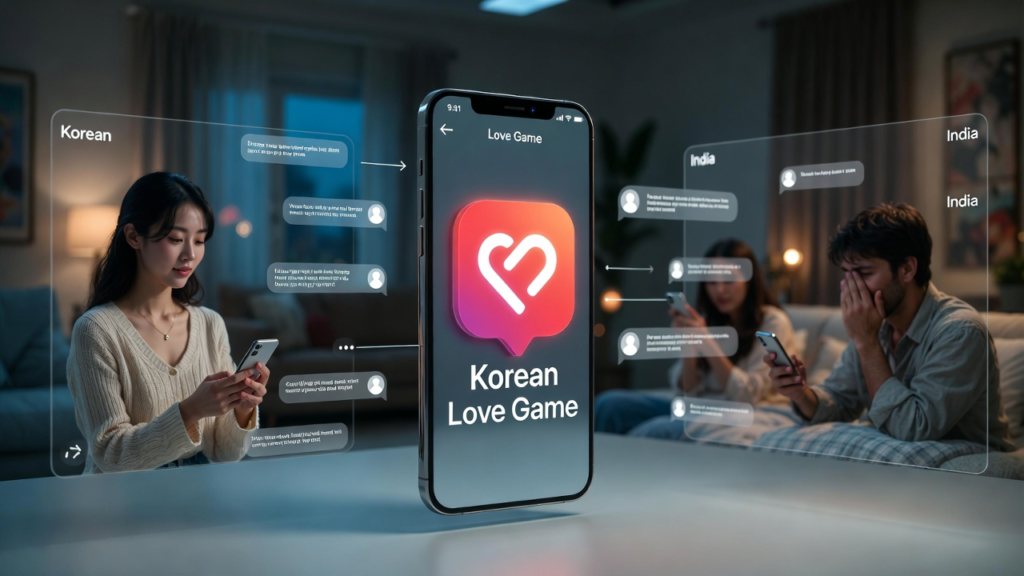
In recent days, the phrase “Korean Love Game” has drawn national attention after being linked to multiple disturbing online incidents, including a case under investigation in Ghaziabad, Uttar Pradesh. Despite the name, officials and cybercrime experts have clarified that there is no officially recognised game or mobile application called “Korean Love Game.”
The term is being used to describe a pattern of online interaction involving emotional manipulation, role-play, and task-based influence that takes place through private digital channels, not public gaming platforms.
What Is the “Korean Love Game”?
The so-called Korean Love Game is not a downloadable app, not a registered game, and not linked to any Korean company or government.
It is a label given to a dangerous online behaviour pattern where individuals are drawn into intense emotional role-play, often disguised as friendship, romance, or exclusive online “challenges.”
These interactions usually happen through:
- private chat links
- direct messages on social media
- gaming or role-play communities
- invite-only online groups
Cyber experts say the name “game” is misleading. In reality, it functions more like psychological grooming, where trust is built first and influence is applied gradually.
How This Online Pattern Typically Works
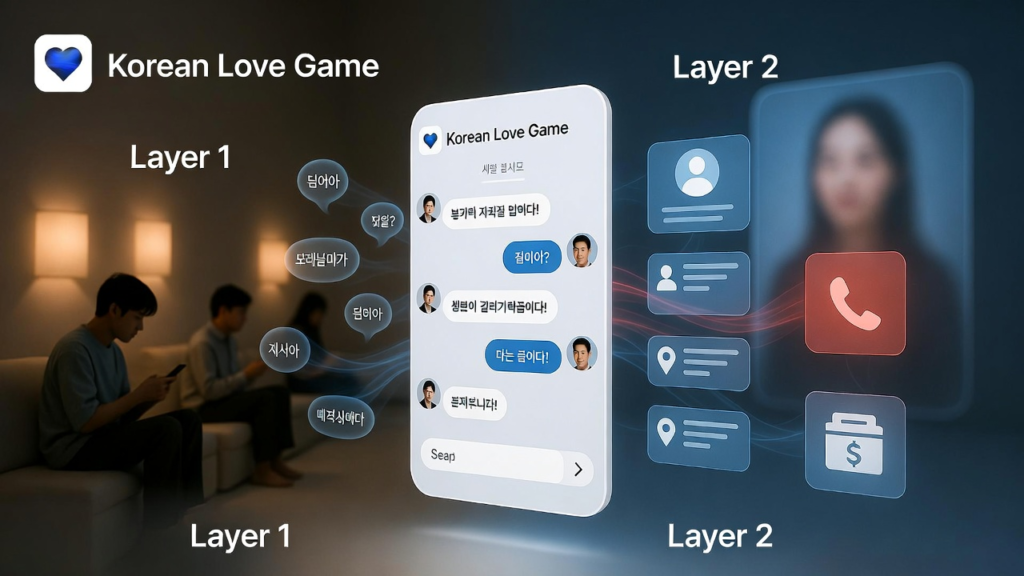
The process usually follows a predictable path:
- Initial Contact
A stranger makes contact online, often appearing friendly, caring, and emotionally attentive. Profiles may use Korean-style names, photos, or cultural references to appear appealing or trustworthy. - Emotional Bonding Phase
Daily conversations begin. The target is encouraged to share feelings, frustrations, and personal thoughts. Over time, emotional dependence may develop. - Role-Play or Task Introduction
The interaction shifts to structured activities — sometimes described as “tasks,” “levels,” or “challenges.” These are framed as harmless or meaningful experiences. - Isolation and Influence
Participants may be encouraged to keep the interaction secret, reduce contact with others, or focus only on the online connection. - Psychological Pressure
In some cases, extreme emotional pressure or harmful suggestions are reported, prompting serious concern among investigators.
Authorities stress that not every online interaction leads to harm, but the pattern becomes dangerous when secrecy, emotional control, and behavioural pressure combine.
Why the Word “Korean” Is Used
Investigators and psychologists believe the use of “Korean” is intentional:
- Korean pop culture has strong global influence
- It creates curiosity and perceived exclusivity
- It lowers suspicion among young users
Officials have confirmed that there is no evidence linking these activities to South Korea itself.
The Ghaziabad Sisters Case: What Happened
In Ghaziabad, police are investigating the deaths of two sisters after family members reported unusual online behaviour prior to the incident. During the preliminary probe, authorities found indications that the girls may have been involved in private online interactions referred to locally as the “Korean Love Game.”
Key findings so far include:
- heavy mobile phone usage
- deleted chat histories
- withdrawal from regular social interaction
- possible exposure to online role-play content
Police have clarified that:
- no official app has been identified
- the investigation focuses on online influence, not a traditional game
- devices have been sent for digital forensic analysis
The case remains under investigation, and authorities have urged the public not to jump to conclusions until forensic results are complete.
Who Can Be Targeted by Such Online Patterns
Experts say individuals at higher risk include:
- teenagers and young adults
- people spending long hours online
- individuals facing loneliness or emotional stress
- users active in private chat or role-play communities
Importantly, technical skill does not protect against this risk. The manipulation is emotional, not technical.
What Makes This So Dangerous
Unlike obvious cybercrimes, these interactions:
- do not involve hacking
- do not require malware
- do not appear illegal at first glance
They operate quietly, through trust and influence, making detection difficult for families and platforms.
What Authorities and Cyber Units Are Advising
Law-enforcement agencies are advising:
- parents to stay aware of sudden behavioural changes
- users to avoid private links from unknown contacts
- immediate reporting of suspicious online behaviour
Officials emphasise that open communication and awareness remain the strongest safeguards.
Current Status
- Investigations are ongoing
- No official “Korean Love Game” platform has been confirmed
- Multiple cyber units are reviewing similar reports nationwide
Authorities are monitoring whether this is an isolated case or part of a wider online influence trend.
The “Korean Love Game” is not a game.
It is a name given to a dangerous pattern of online emotional manipulation that can operate through private digital spaces.
The Ghaziabad case has brought attention to the issue, but investigations are still ongoing.