
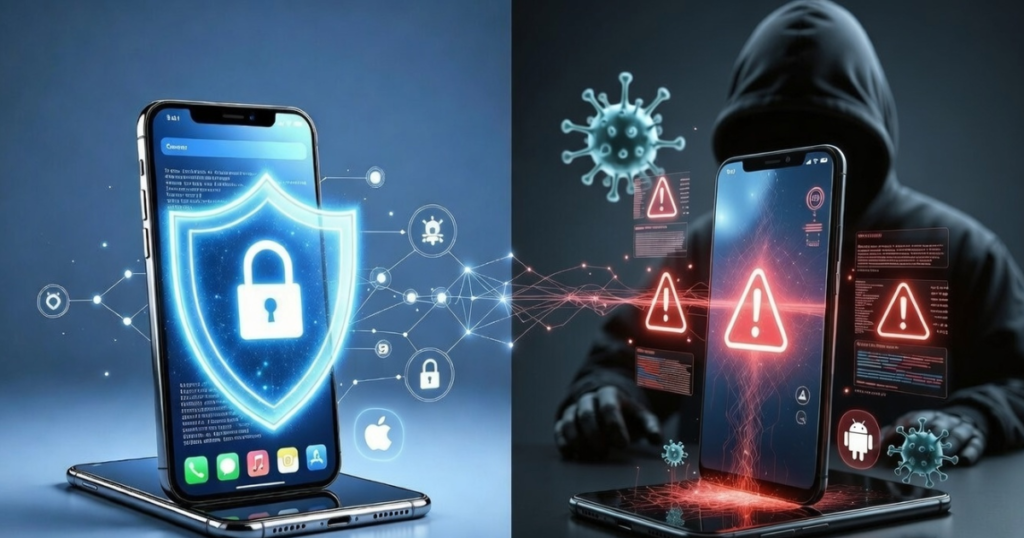
Many people believe that iPhones cannot be hacked, but cybersecurity experts say this is a myth. While Apple devices are known for strong security protections, no smartphone is completely immune to cyber threats.
Both iPhone and Android devices can be compromised under certain conditions. The difference is usually in how the attack happens and how difficult it is for attackers to exploit the device.
Understanding how smartphone hacking works is important for anyone who uses a mobile phone for banking, communication, or storing personal data.
Why People Think iPhones Cannot Be Hacked
Apple has built a reputation for strong security. The company tightly controls its ecosystem, meaning apps must pass strict security checks before appearing on the App Store.
iPhones also receive regular software updates directly from Apple, which helps patch security vulnerabilities quickly.
Because of these protections, iPhones are generally harder to attack compared to many devices. However, that does not mean they are impossible to hack.
How Smartphones Actually Get Hacked
Most phone hacks do not happen through complex technical attacks. In many cases, hackers use simple tricks to fool users.
Phishing Messages
Attackers send fake links through SMS, email, or messaging apps that steal login credentials.
Malicious Apps
Downloading apps from unknown sources can allow malware to access files or personal information.
Spyware Attacks
Advanced spyware tools can monitor calls, messages, and location data without the user noticing.
Public Wi-Fi Attacks
Unsecured Wi-Fi networks can allow attackers to intercept sensitive information.
Social Engineering
Hackers often trick users into sharing verification codes, passwords, or account access.
iPhone vs Android Security
Both platforms offer strong security features but operate differently.
iPhone Security Advantages
- Strict App Store security checks
- Faster and regular system updates
- Strong privacy controls
- Hardware-based security protections
Android Security Advantages
- Greater flexibility and customization
- Advanced security tools on modern devices
- Large ecosystem of security applications
However, Android updates sometimes depend on the device manufacturer, which may delay security patches.
Warning Signs Your Phone May Be Compromised
Although uncommon, a hacked phone can show several warning signs:
- Unusual battery drain
- Unknown apps appearing on the device
- High data usage without explanation
- Frequent pop-ups or suspicious messages
- Unauthorized access to accounts
If these signs appear frequently, it may indicate a security issue.
How to Protect Your Smartphone from Hackers
Following a few basic security practices can significantly reduce the risk of hacking.
Keep your phone updated
Install operating system updates as soon as they become available.
Download apps only from official stores
Avoid installing applications from unknown websites.
Enable two-factor authentication
This adds an extra security layer to your accounts.
Avoid suspicious links
Do not click unknown links received via SMS, email, or messaging apps.
Be careful with public Wi-Fi
Avoid accessing sensitive accounts on unsecured networks.
Use strong passwords
Unique and complex passwords make accounts harder to compromise.
Final Thoughts
The belief that iPhones cannot be hacked is not entirely accurate. While Apple devices provide strong protection, every smartphone remains vulnerable if users are not careful.
Most cyber attacks succeed because of human error rather than technical weaknesses. Staying informed and practicing basic digital safety habits is the best defense against mobile cyber threats.