Close Menu
    What's Hot

    Scanning & Enumeration in Cyber Attacks: How Hackers Discover Systems, Services, and Hidden Vulnerabilities

    March 31, 2026

    European Commission Confirms Cyberattack on Public Web Systems, Possible Data Breach Under Investigation

    March 30, 2026

    Uber Fined €290 Million for Data Transfer Violations – A Major Cybersecurity and Privacy Case Study (2024)

    March 29, 2026

    Anthropic Claude Leak Sparks Global Cybersecurity Shock: A Turning Point for the Industry

    March 28, 2026

    How Hackers Use Reconnaissance to Collect Information Before an Attack: Tools and Techniques Explained

    March 27, 2026
    Facebook X (Twitter) Instagram
    Tuesday, March 31
    CyberNexora News
    X (Twitter) Instagram LinkedIn
    • Home
    • Cyber Incidents
    • laws & government
    • Penalties
    • Learn & Protect
    • Resources
    • Contact Us
    Get Cyber Alerts
    CyberNexora News
    Home»laws & government»IT (Reasonable Security Practices and Procedures and Sensitive Personal Data or Information) Rules, 2011 – India

    IT (Reasonable Security Practices and Procedures and Sensitive Personal Data or Information) Rules, 2011 – India

    Zeel_CyberexpertBy Zeel_CyberexpertJanuary 27, 2026Updated:March 4, 20262 Mins Read
    Facebook Twitter LinkedIn Email Telegram

    were notified by the Government of India under the Information Technology Act, 2000 and came into force on 11 April 2011. These rules regulate how organizations handle Sensitive Personal Data or Information (SPDI) in electronic form and impose legal accountability for negligence in data protection.

    Applicability

    The rules apply to every body corporate, including companies, firms, sole proprietorships, and professional entities that:

    • collect, receive, store, process, or handle personal data
    • operate in India or process data in connection with business carried out in India

    Foreign entities are also covered if the data processing has a nexus with India.

    Sensitive Personal Data or Information (SPDI)

    SPDI under the rules includes:

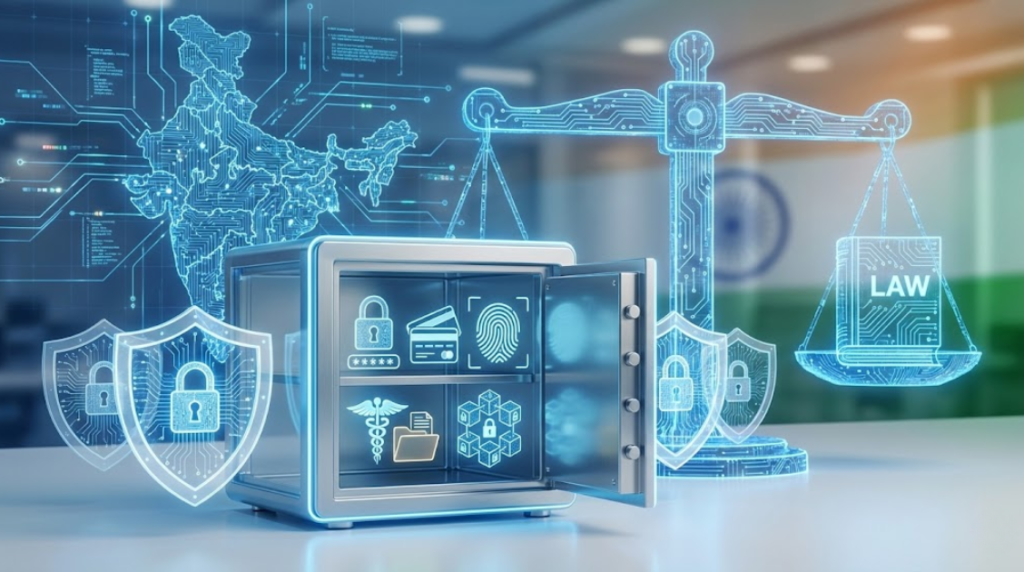
    • passwords
    • financial information (bank account, credit/debit card details)
    • physical, physiological, and mental health records
    • medical records and history
    • sexual orientation
    • biometric information

    Information that is publicly available or disclosed under the RTI Act is excluded.

    Obligations of Body Corporates

    Organizations handling SPDI must:

    • publish a clear privacy policy on their website
    • collect data only for lawful and necessary purposes
    • obtain prior consent before collecting SPDI
    • use the data strictly for the stated purpose
    • retain data only as long as required by law or business need
    • allow individuals to review and correct their information

    Disclosure and Data Transfer

    • SPDI cannot be disclosed to third parties without consent, except for legal obligations
    • Cross-border or third-party transfers are allowed only if:
      • the recipient ensures the same level of data protection, and
      • the transfer is necessary for lawful contract performance

    Reasonable Security Practices

    Compliance requires implementation of reasonable security practices and procedures, which may include:

    • adoption of ISO/IEC 27001, or
    • a government-approved documented information security programme

    Security controls must address managerial, technical, operational, and physical safeguards.

    Liability for Data Breach

    If a body corporate is negligent in implementing security practices and causes wrongful loss or gain:

    • it is liable to pay compensation under Section 43A of the IT Act
    • liability is civil, not criminal, and does not require intent

    Grievance Redressal

    • appointment of a Grievance Officer is mandatory
    • contact details must be published
    • complaints must be resolved within one month

    Legal Significance

    These rules form India’s first enforceable data protection framework for private entities and continue to apply where not expressly overridden by newer data protection laws. Non-compliance exposes organizations to financial liability and regulatory scrutiny.

    Share. Facebook Twitter LinkedIn Email Telegram

    letest news

    Scanning & Enumeration in Cyber Attacks: How Hackers Discover Systems, Services, and Hidden Vulnerabilities

    March 31, 2026

    European Commission Confirms Cyberattack on Public Web Systems, Possible Data Breach Under Investigation

    March 30, 2026

    Uber Fined €290 Million for Data Transfer Violations – A Major Cybersecurity and Privacy Case Study (2024)

    March 29, 2026

    Anthropic Claude Leak Sparks Global Cybersecurity Shock: A Turning Point for the Industry

    March 28, 2026

    How Hackers Use Reconnaissance to Collect Information Before an Attack: Tools and Techniques Explained

    March 27, 2026

    ₹10.6 Crore Cyber Fraud Network Busted by Delhi Police; Multiple Arrests Across States

    March 26, 2026

    DarkSword Spyware Exposes Millions of Apple Devices to Critical Cyber Risk

    March 25, 2026

    Telegram “Easy Task” Scam: How Small Payments Turn Into Big Losses (And How to Stay Safe)

    March 24, 2026

    AU Small Finance Bank Fraud Probe Deepens: Former Regional Head Under Scanner in ₹590 Crore Case

    March 23, 2026

    Pune Online Scam: Senior Citizen Loses ₹3.10 Lakh in Fake Electric Stove Purchase Amid Gas Shortage

    March 22, 2026
    Recent Posts
    • Scanning & Enumeration in Cyber Attacks: How Hackers Discover Systems, Services, and Hidden Vulnerabilities
    • European Commission Confirms Cyberattack on Public Web Systems, Possible Data Breach Under Investigation
    • Uber Fined €290 Million for Data Transfer Violations – A Major Cybersecurity and Privacy Case Study (2024)
    Top Posts

    Unauthorized Access Incident at Coupang Exposes Customer Data

    December 29, 2025

    Significant Data Breach at Korean Air Subcontractor Exposes Employee Records

    December 29, 2025

    Scanning & Enumeration in Cyber Attacks: How Hackers Discover Systems, Services, and Hidden Vulnerabilities

    March 31, 2026
    About

    CyberNexora Blog provides trusted cybersecurity news, attack analysis, and security awareness updates. Our goal is to educate and inform readers about emerging cyber threats and best protection practices.

    Facebook X (Twitter) Instagram Pinterest LinkedIn
    Pages
    • Home
    • Cyber Incidents
    • laws & government
    • Penalties
    • Learn & Protect
    • Resources
    • Contact Us
    Subscribe to Our Newsletter

    Get Cyber Security Alerts

    Get trusted cybercrime alerts and security updates.

    Thanks! Please check your email to confirm subscription.

    • About Us
    • Privacy Policy
    © 2025 CyberNexora News. All Rights Reserved.

    Type above and press Enter to search. Press Esc to cancel.