Close Menu
    What's Hot

    Scanning & Enumeration in Cyber Attacks: How Hackers Discover Systems, Services, and Hidden Vulnerabilities

    March 31, 2026

    European Commission Confirms Cyberattack on Public Web Systems, Possible Data Breach Under Investigation

    March 30, 2026

    Uber Fined €290 Million for Data Transfer Violations – A Major Cybersecurity and Privacy Case Study (2024)

    March 29, 2026

    Anthropic Claude Leak Sparks Global Cybersecurity Shock: A Turning Point for the Industry

    March 28, 2026

    How Hackers Use Reconnaissance to Collect Information Before an Attack: Tools and Techniques Explained

    March 27, 2026
    Facebook X (Twitter) Instagram
    Tuesday, March 31
    CyberNexora News
    X (Twitter) Instagram LinkedIn
    • Home
    • Cyber Incidents
    • laws & government
    • Penalties
    • Learn & Protect
    • Resources
    • Contact Us
    Get Cyber Alerts
    CyberNexora News
    Home»Cyber Incidents»Pune Online Scam: Senior Citizen Loses ₹3.10 Lakh in Fake Electric Stove Purchase Amid Gas Shortage

    Pune Online Scam: Senior Citizen Loses ₹3.10 Lakh in Fake Electric Stove Purchase Amid Gas Shortage

    Zeel_CyberexpertBy Zeel_CyberexpertMarch 22, 20263 Mins Read
    Facebook Twitter LinkedIn Email Telegram

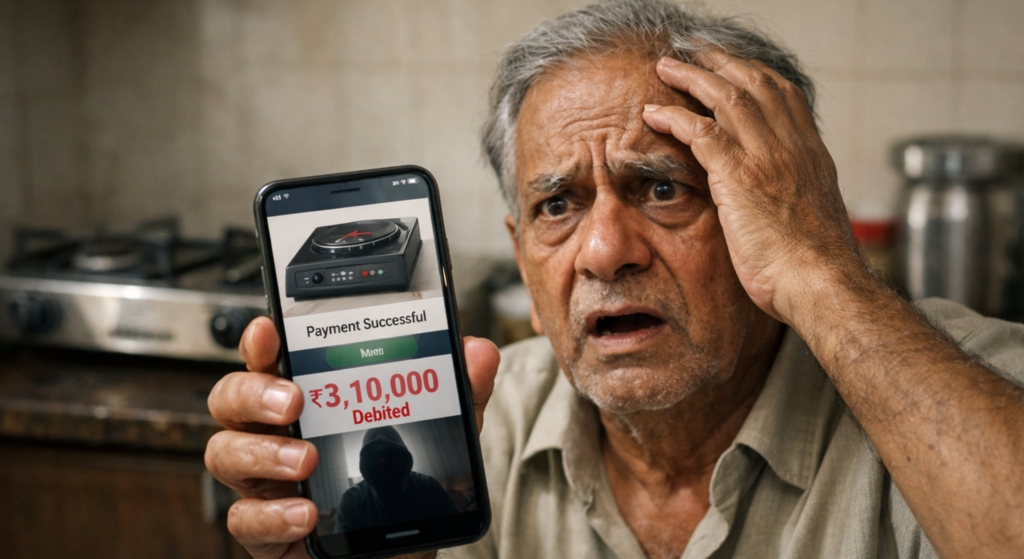
    Pune has reported a concerning case of cyber fraud where a senior citizen was duped of ₹3.10 lakh while attempting to purchase an electric stove online. The incident, which occurred in the Kothrud area, highlights how cybercriminals are exploiting the ongoing gas shortage to target unsuspecting individuals.

    With a noticeable shortage of LPG cylinders in several cities, including Mumbai and Pune, many households have begun searching for alternative cooking solutions. Electric stoves have emerged as a popular option, leading to a surge in online searches and purchases. Cybercriminals appear to have taken advantage of this demand by posting deceptive advertisements on social media platforms.

    According to police officials, the victim came across an online advertisement promoting electric stoves at an attractive price. Interested in purchasing the product, the individual contacted the number provided in the advertisement. What initially appeared to be a legitimate transaction soon turned into a carefully executed scam.

    The fraudsters, posing as genuine sellers, convinced the victim to proceed with an online payment. During the conversation, they managed to gain the victim’s trust and requested sensitive banking information under the pretext of completing the purchase. Relying on the instructions provided, the victim shared the required details.

    Shortly after, ₹3.10 lakh was fraudulently transferred from the victim’s bank account to an unknown account. Realizing the unauthorized transaction, the victim promptly approached the local police station to file a complaint. A cybercrime case has since been registered, and authorities have initiated an investigation to trace the culprits.

    Initial findings suggest that the scammers used social engineering techniques to manipulate the victim. By maintaining convincing communication and exploiting urgency caused by the gas shortage, they were able to bypass caution and extract critical financial information. This case reflects a growing trend where fraudsters adapt their strategies based on current situations to increase their chances of success.

    Cybersecurity experts have repeatedly warned about the risks associated with online advertisements, especially those offering deals that appear too good to be true. Social media platforms, while convenient, have become a common channel for such fraudulent activities due to their wide reach and relatively low entry barriers.

    Law enforcement agencies have urged citizens to exercise extreme caution when making online purchases. Consumers are advised to transact only through trusted and verified e-commerce platforms. Sharing bank details, OTPs, or personal information with unknown individuals should be strictly avoided.

    This incident also brings attention to the vulnerability of senior citizens, who are often targeted due to a lack of familiarity with evolving digital threats. Authorities recommend that family members educate elderly individuals about common online scams and ensure they follow safe transaction practices.

    The police have assured that efforts are underway to identify and apprehend the individuals involved in the fraud. Meanwhile, citizens are encouraged to report any suspicious activity immediately to cybercrime authorities to prevent further incidents.

    As digital transactions continue to grow, this case serves as a reminder that awareness and vigilance are the first line of defense against cyber fraud. Verifying sellers, avoiding direct bank transfers to unknown accounts, and staying informed about common scam tactics can significantly reduce the risk of financial loss.

    Share. Facebook Twitter LinkedIn Email Telegram

    letest news

    Scanning & Enumeration in Cyber Attacks: How Hackers Discover Systems, Services, and Hidden Vulnerabilities

    March 31, 2026

    European Commission Confirms Cyberattack on Public Web Systems, Possible Data Breach Under Investigation

    March 30, 2026

    Uber Fined €290 Million for Data Transfer Violations – A Major Cybersecurity and Privacy Case Study (2024)

    March 29, 2026

    Anthropic Claude Leak Sparks Global Cybersecurity Shock: A Turning Point for the Industry

    March 28, 2026

    How Hackers Use Reconnaissance to Collect Information Before an Attack: Tools and Techniques Explained

    March 27, 2026

    ₹10.6 Crore Cyber Fraud Network Busted by Delhi Police; Multiple Arrests Across States

    March 26, 2026

    DarkSword Spyware Exposes Millions of Apple Devices to Critical Cyber Risk

    March 25, 2026

    Telegram “Easy Task” Scam: How Small Payments Turn Into Big Losses (And How to Stay Safe)

    March 24, 2026

    AU Small Finance Bank Fraud Probe Deepens: Former Regional Head Under Scanner in ₹590 Crore Case

    March 23, 2026

    Pune Online Scam: Senior Citizen Loses ₹3.10 Lakh in Fake Electric Stove Purchase Amid Gas Shortage

    March 22, 2026
    Recent Posts
    • Scanning & Enumeration in Cyber Attacks: How Hackers Discover Systems, Services, and Hidden Vulnerabilities
    • European Commission Confirms Cyberattack on Public Web Systems, Possible Data Breach Under Investigation
    • Uber Fined €290 Million for Data Transfer Violations – A Major Cybersecurity and Privacy Case Study (2024)
    Top Posts

    Unauthorized Access Incident at Coupang Exposes Customer Data

    December 29, 2025

    Significant Data Breach at Korean Air Subcontractor Exposes Employee Records

    December 29, 2025

    Scanning & Enumeration in Cyber Attacks: How Hackers Discover Systems, Services, and Hidden Vulnerabilities

    March 31, 2026
    Latest Cyber Alert
    https://youtu.be/QGDU9NEs4oo
    About

    CyberNexora Blog provides trusted cybersecurity news, attack analysis, and security awareness updates. Our goal is to educate and inform readers about emerging cyber threats and best protection practices.

    Facebook X (Twitter) Instagram Pinterest LinkedIn
    Pages
    • Home
    • Cyber Incidents
    • laws & government
    • Penalties
    • Learn & Protect
    • Resources
    • Contact Us
    Subscribe to Our Newsletter

    Get Cyber Security Alerts

    Get trusted cybercrime alerts and security updates.

    Thanks! Please check your email to confirm subscription.

    • About Us
    • Privacy Policy
    © 2025 CyberNexora News. All Rights Reserved.

    Type above and press Enter to search. Press Esc to cancel.