
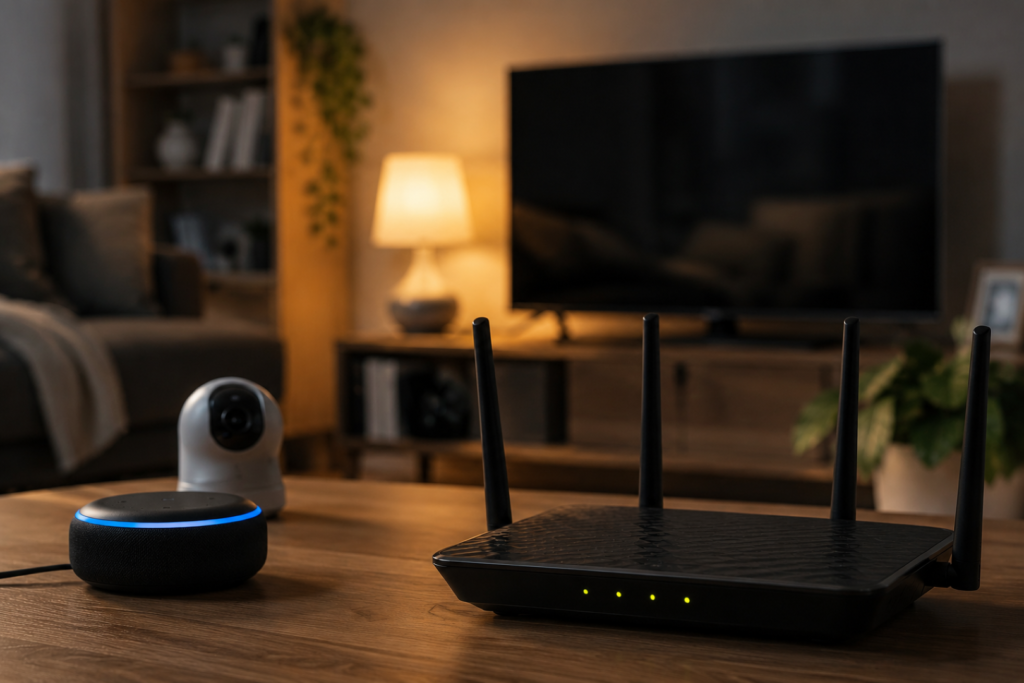
Introduction: NetNut Residential Proxy Network — Why It Matters
Google has announced a significant disruption of the NetNut Residential Proxy Network, a large-scale infrastructure reportedly built on more than two million compromised home devices worldwide. The operation was carried out by Google’s Threat Intelligence Group (GTIG) with assistance from the FBI, Lumen Technologies, and several cybersecurity partners.
The NetNut Residential Proxy Network allegedly transformed everyday internet-connected devices—including smart TVs and streaming boxes—into proxy exit nodes that enabled cybercriminals to disguise their online activity. According to Google, the network supported password-spraying attacks, cyber espionage campaigns, and other malicious operations while hiding attackers’ true locations.
Rather than describing the action as a complete takedown, Google stated that it had significantly degraded the infrastructure. The company also warned that similar residential proxy services frequently recover by shifting traffic through reseller brands or rebuilding infected device pools. The NetNut Residential Proxy Network incident highlights how residential proxy infrastructure can be abused to conceal cybercriminal activity and complicate digital investigations.
What is NetNut?
NetNut is a residential proxy service that provides internet traffic routing through residential IP addresses instead of traditional data centers. Businesses commonly use residential proxies for legitimate purposes such as:
- Web scraping
- Market research
- Ad verification
- SEO monitoring
- Brand protection
- Regional content testing
However, residential proxy services become controversial when compromised consumer devices are used without their owners’ informed consent.
Security researchers have linked the NetNut infrastructure to Alarum Technologies, an Israeli publicly traded company. The company has denied operating a botnet and maintains that its services rely solely on bandwidth sharing with user consent. Security researchers say the NetNut Residential Proxy Network demonstrates how consumer devices can allegedly be transformed into proxy exit nodes without users fully understanding the implications.
Researchers, however, reportedly examined more than twenty related applications and found no obvious consent prompts requesting users to share their internet connections, raising questions about transparency and informed permission.
What Caused the Incident?
According to Google’s Threat Intelligence Group, millions of consumer devices had allegedly been converted into residential proxy exit nodes.
Unlike traditional malware that steals files or encrypts systems, residential proxy malware silently turns infected devices into internet relay points. Cybercriminals then route their malicious traffic through these residential IP addresses, making attacks appear to originate from legitimate households.
This significantly complicates investigations because security teams often see only innocent residential IP addresses instead of the attackers’ actual infrastructure.
NetNut Residential Proxy Network: Full Technical Breakdown
Timeline of Events
- Google Threat Intelligence Group investigated suspicious residential proxy activity.
- Researchers identified a global infrastructure spanning more than two million home devices.
- The FBI, Lumen Technologies, and additional industry partners collaborated with Google.
- Google degraded the infrastructure instead of completely dismantling it.
- Google publicly disclosed technical findings and recommended security measures for consumers.
What Systems Were Affected?
According to Google’s findings, the residential proxy infrastructure allegedly included:
- Smart TVs
- Android TV devices
- Streaming boxes
- Consumer home internet devices
- Other internet-connected electronics
Google stated that these devices were transformed into proxy exit nodes capable of forwarding internet traffic for third parties.
How Attackers Used the Proxy Network
The compromised devices allegedly enabled multiple cybercriminal activities, including:
- Password-spraying attacks
- Credential abuse campaigns
- Anonymous web traffic
- Cyber espionage
- Account takeover attempts
- Identity masking during attacks
Google also reported observing 316 separate threat clusters using suspected NetNut exit nodes during a single week in June, demonstrating the infrastructure’s widespread adoption among cybercriminals.
Potential Risks & Impact
Identity and Financial Risk
Although residential proxy malware may not directly steal personal files, infected devices become part of criminal infrastructure. Victims may unknowingly provide internet connectivity for attackers launching phishing campaigns, account compromise attempts, or credential stuffing operations.
This can create complications if malicious traffic is traced back to a victim’s residential IP address.
Business Risk
Organizations relying solely on IP reputation for security may struggle to distinguish legitimate residential users from attackers operating through residential proxy networks.
As attackers increasingly exploit trusted residential IP addresses, businesses face:
- Higher fraud rates
- More difficult threat attribution
- Increased credential attacks
- Reduced effectiveness of IP-based blocking
Security teams may need to supplement IP reputation with behavioral analytics and stronger authentication controls.
Regulatory and Compliance Risk
The incident also raises broader concerns regarding transparency in applications that allegedly participate in bandwidth-sharing programs.
Researchers stated they found no clear consent mechanisms across more than twenty examined applications. If users are unknowingly contributing bandwidth, regulators may examine whether disclosure requirements and consumer protection standards have been adequately met.
Official Response
Google emphasized that its operation significantly reduced the usable size of the proxy network but stopped short of calling it a complete takedown.
The company noted that residential proxy operators frequently rebuild infrastructure through reseller ecosystems and new malware distribution campaigns.
Alarum Technologies denied operating a botnet and stated that NetNut relies on user-consented bandwidth sharing rather than compromised consumer devices.
Industry Context: Why Residential Proxy Networks Are Increasing
Residential proxy networks have become an increasingly attractive tool for cybercriminals because they provide access to legitimate residential IP addresses, making malicious traffic more difficult to detect. Unlike traditional proxy servers hosted in data centers, residential IPs often enjoy a higher level of trust from websites and security systems, allowing attackers to bypass IP-based filtering and rate-limiting mechanisms. The NetNut Residential Proxy Network is the latest example of cybercriminals exploiting compromised IoT devices to build large-scale residential proxy ecosystems.
The rise of Internet of Things (IoT) devices has further expanded the attack surface. Smart TVs, streaming devices, routers, and other connected home products often receive infrequent security updates, making them attractive targets for malware operators seeking to build large proxy infrastructures.
Google’s disruption of NetNut follows earlier operations against the IPIDEA and Badbox 2.0 residential proxy ecosystems, highlighting an ongoing effort by technology companies and law enforcement agencies to dismantle large-scale cybercrime infrastructure before it can be rebuilt.
Readers interested in similar cybercrime investigations can explore Cyber Incidents for the latest reports on malware, botnets, ransomware, and large-scale cyberattacks.
For practical cybersecurity awareness tips on protecting smart devices, IoT products, and online accounts, readers can visit Learn & Protect.
Those looking for cybersecurity tools, security checklists, and technical reference materials can also explore Resources.
How to Protect Yourself and Your Organization
Although Google has disrupted a significant portion of the network, consumers and organizations should continue taking proactive measures to reduce the risk of their devices becoming part of residential proxy operations.
1. Purchase Smart Devices from Trusted Manufacturers
Avoid purchasing unknown or unverified smart TVs, streaming devices, routers, or IoT products from unofficial sellers.
2. Install Applications Only from Official App Stores
Download applications exclusively from trusted sources such as Google Play or manufacturer-approved marketplaces.
3. Keep Google Play Protect Enabled
Google recommends leaving Google Play Protect enabled to automatically detect potentially harmful applications before they compromise Android devices.
4. Regularly Install Firmware Updates
Manufacturers frequently release security updates to address vulnerabilities exploited by malware operators. Enable automatic updates whenever possible.
5. Avoid Apps Offering Payment for Internet Sharing
Be cautious of applications promising rewards for sharing unused internet bandwidth. Always review permissions, privacy policies, and developer information before installing such apps.
6. Monitor Unusual Network Activity
Unexpected spikes in bandwidth usage, unexplained internet slowdowns, or abnormal outbound connections may indicate unauthorized proxy activity.
7. Use Strong Authentication
Enable multi-factor authentication (MFA) on important accounts to reduce the effectiveness of credential-based attacks such as password spraying.
8. Maintain Endpoint Security
Organizations should deploy endpoint detection and response (EDR) solutions, monitor outbound network traffic, and perform regular threat hunting to identify suspicious proxy-related behavior.
Indicators of Compromise (IoCs)
While Google has not publicly released detailed Indicators of Compromise for this operation, organizations should monitor for:
- Unexpected outbound network connections
- Abnormally high bandwidth usage
- Unauthorized proxy service processes
- Unknown background applications
- Connections to suspicious residential proxy infrastructure
- Smart devices communicating with unfamiliar external servers
- Increased login attempts originating from residential IP addresses
Security teams should also monitor Google’s Threat Intelligence updates for newly published indicators related to this operation.
Key Takeaways
- Google, GTIG, the FBI, and industry partners disrupted the NetNut residential proxy infrastructure.
- More than 2 million home devices were reportedly involved in the global network.
- Attackers allegedly used compromised devices for password-spraying, cyber espionage, and identity masking.
- Researchers questioned whether users had provided meaningful consent for bandwidth sharing.
- Google warned that residential proxy networks can quickly recover by rebuilding through reseller ecosystems.
- Consumers should purchase trusted smart devices, install applications only from official stores, and keep security protections enabled.
Conclusion: NetNut Residential Proxy Network and What Happens Next
The NetNut Residential Proxy Network operation demonstrates how everyday connected devices can become valuable assets for cybercriminals without their owners’ knowledge. As attackers increasingly exploit residential IP addresses to evade detection, defenders must look beyond traditional IP-based security controls and adopt more comprehensive threat detection strategies. Security experts expect continued monitoring of the NetNut Residential Proxy Network as researchers work to identify any rebuilt infrastructure or emerging reseller operations.
Google’s latest disruption represents another significant step in the ongoing effort to dismantle large-scale cybercrime infrastructure. However, the company has cautioned that residential proxy operators often adapt quickly, meaning continued collaboration between technology providers, law enforcement agencies, and cybersecurity researchers will remain essential to limiting future abuse.
Frequently Asked Questions(FAQs)
The NetNut Residential Proxy Network refers to a residential proxy infrastructure that Google reportedly disrupted after identifying more than two million compromised home devices allegedly being used as proxy exit nodes for cybercriminal activities.
According to Google’s findings, infected devices such as smart TVs and streaming boxes allegedly forwarded internet traffic for attackers, allowing malicious activity to appear as though it originated from legitimate residential users.
Residential proxy networks help attackers hide their real locations, making password attacks, phishing campaigns, cyber espionage, and other malicious activities more difficult for defenders to detect and investigate.
No. Google described the operation as a significant degradation rather than a complete takedown, noting that similar proxy networks often rebuild using reseller brands and newly compromised devices.
Users should purchase trusted smart devices, install applications only from official stores, enable Google Play Protect, regularly update firmware, and avoid applications that offer payment for sharing unused internet bandwidth.
Residential proxy services can have legitimate business uses. However, concerns arise when consumer devices are allegedly used without informed consent or when the infrastructure is abused for cybercriminal operations. Alarum Technologies has denied operating a botnet and states its service relies on user-consented bandwidth sharing.