
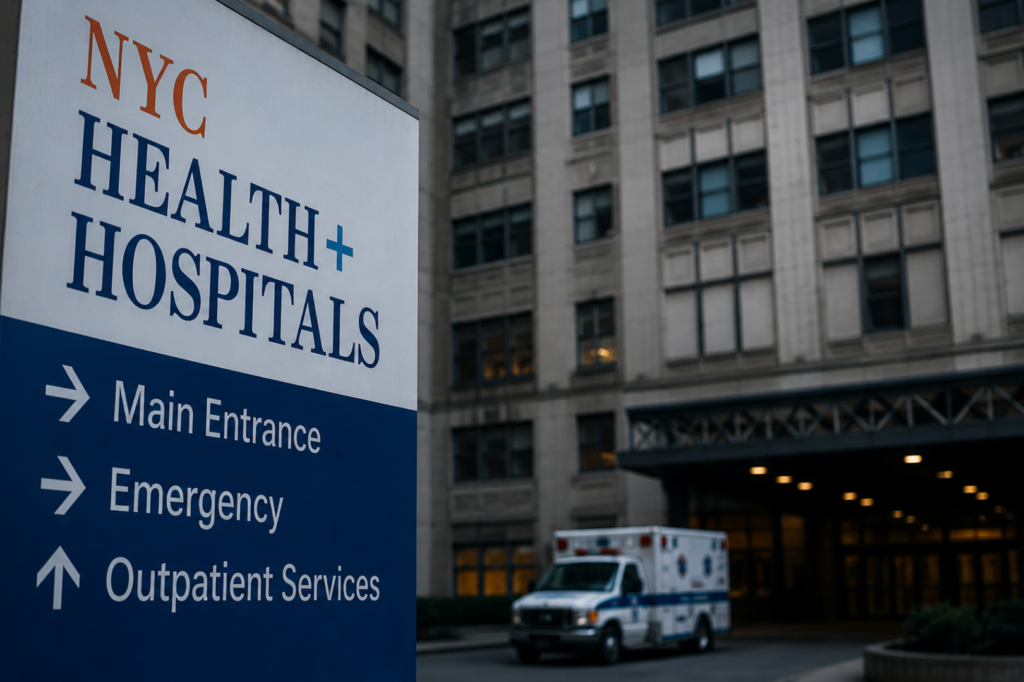
Introduction: NYC Health + Hospitals Cyberattack Raises Major Healthcare Security Concerns
The NYC Health + Hospitals data breach 2026 has emerged as one of the most serious healthcare cybersecurity incidents of the year after attackers reportedly gained unauthorized access to highly sensitive patient and employee information. The breach impacted approximately 1.8 million individuals and exposed a wide range of confidential records, including medical information, insurance details, financial data, and biometric identifiers such as fingerprints and palm prints.
Unlike conventional cyber incidents involving limited credential theft, this healthcare breach carries long-term privacy and identity risks because biometric information cannot easily be changed or replaced. Security analysts believe the compromise originated through a third-party vendor environment, highlighting growing cybersecurity risks within interconnected healthcare ecosystems.
The incident demonstrates how cybercriminals are increasingly targeting healthcare infrastructure due to the enormous value of medical records, personally identifiable information (PII), and biometric datasets on underground markets. It also exposes weaknesses in vendor security management, access control policies, and healthcare data retention practices.
What is NYC Health + Hospitals?
NYC Health + Hospitals is the largest municipal healthcare system in the United States, providing medical services to more than one million New Yorkers annually.
The healthcare network operates hospitals, trauma centers, outpatient clinics, emergency departments, and long-term care facilities across New York City. The organization stores vast amounts of sensitive digital information, including:
- Patient medical histories
- Insurance and billing records
- Diagnostic reports and imaging data
- Employee background verification data
- Biometric authentication information
- Government-issued identification records
Because healthcare organizations maintain both medical and financial information, they remain among the most targeted sectors for ransomware groups and cybercriminal operations worldwide.
NYC Health + Hospitals Data Breach 2026: Incident Overview
According to multiple cybersecurity and media reports, attackers maintained unauthorized access to NYC Health + Hospitals systems between November 2025 and February 2026 before the breach was detected.
Investigators believe the intrusion originated through a compromised third-party vendor connected to the healthcare system’s network infrastructure. Once attackers gained access, they allegedly copied sensitive files containing personal, medical, and biometric data.
Key Incident Details
| Incident Element | Details |
|---|---|
| Organization Affected | NYC Health + Hospitals |
| Estimated Victims | Approximately 1.8 million individuals |
| Breach Discovery | February 2026 |
| Initial Access Method | Third-party vendor compromise |
| Data Types Exposed | Medical records, insurance data, fingerprints, financial details |
| Industry Impacted | Healthcare |
| Risk Level | High |
The NYC Health + Hospitals data breach 2026 quickly gained attention because of the exposure of biometric information, which creates long-term identity and privacy concerns for affected individuals.
Sensitive Information Exposed in the Healthcare Data Breach
Security researchers indicate that attackers may have accessed several categories of protected information during the incident.
Potentially Exposed Data Includes
- Full names and addresses
- Medical diagnoses and treatment records
- Prescription and medication history
- Health insurance policy information
- Billing and payment details
- Social Security numbers
- Driver’s license and passport details
- Online account credentials
- Fingerprints and palm print scans
- Geolocation-related metadata
The theft of biometric information makes the NYC Health + Hospitals data breach 2026 particularly severe because fingerprints and palm prints cannot be reset like passwords.
Why Biometric Data Exposure is Extremely Dangerous
The exposure of biometric identifiers significantly increases the long-term cybersecurity risk associated with the NYC Health + Hospitals data breach 2026.
Major Risks of Biometric Theft
1. Permanent Identity Exposure
Passwords can be changed after a breach, but fingerprints remain permanent for life.
2. Identity Fraud
Cybercriminals may attempt to use biometric information in identity verification systems.
3. Advanced Social Engineering
Attackers can combine medical data with personal information to launch highly convincing phishing campaigns.
4. Credential Correlation Attacks
Exposed biometric and identity data may be merged with other leaked databases from previous breaches.
5. Healthcare Fraud
Stolen medical information may be abused for insurance scams, fake claims, or fraudulent prescriptions.
Cybersecurity experts warn that healthcare breaches involving biometric information create long-term risks extending far beyond traditional credential theft.
Third-Party Vendor Risks in Modern Healthcare Security
One of the most critical aspects of the NYC Health + Hospitals data breach 2026 is the suspected third-party vendor compromise.
Healthcare systems increasingly depend on external vendors for:
- Cloud storage services
- Patient management platforms
- Identity verification systems
- Medical analytics tools
- Billing and insurance processing
- Biometric authentication technologies
While these integrations improve operational efficiency, they also expand the attack surface available to cybercriminals.
A single vulnerable vendor can provide attackers with indirect access into healthcare infrastructure containing millions of sensitive records.
Attack Chain Analysis: How the Breach May Have Happened
Although the full forensic investigation remains ongoing, cybersecurity analysts have outlined a likely attack scenario behind the NYC Health + Hospitals data breach 2026.
Possible Attack Flow
1. Vendor Environment Compromise
Attackers allegedly targeted a connected third-party vendor with weaker security protections.
2. Credential Theft or Network Access
Compromised credentials or insecure remote access mechanisms may have enabled entry into healthcare systems.
3. Lateral Movement
Attackers moved across internal systems searching for sensitive databases and storage servers.
4. Data Collection
Medical records, biometric data, and financial information were gathered and prepared for exfiltration.
5. Data Exfiltration
Files were copied from the network over several weeks before detection.
6. Delayed Discovery
The intrusion reportedly remained active for months before security teams identified suspicious activity.
This attack pattern reflects the growing sophistication of modern healthcare cyberattacks.
Healthcare Sector Remains a Prime Target for Cybercriminals
The NYC Health + Hospitals data breach 2026 is part of a broader trend of escalating attacks against healthcare providers worldwide.
Why Healthcare Organizations Are Frequently Targeted
- Medical records have high black-market value
- Hospitals store extensive identity information
- Critical operations increase ransom pressure
- Legacy systems often contain security weaknesses
- Large vendor ecosystems create multiple attack paths
Cybercriminal groups understand that healthcare organizations cannot tolerate prolonged operational disruption, making them attractive ransomware and extortion targets.
Indicators of Compromise and Warning Signs
Organizations should monitor for potential indicators linked to healthcare-focused cyberattacks.
Possible Warning Signs
- Unauthorized access attempts
- Unusual outbound network traffic
- Unexpected database queries
- Suspicious vendor account activity
- Abnormal credential usage patterns
- Large-scale file transfers
- Disabled security monitoring systems
Early detection remains critical in limiting the impact of healthcare data breaches.
Security Recommendations for Healthcare Organizations
The NYC Health + Hospitals data breach 2026 highlights the urgent need for stronger healthcare cybersecurity defenses.
Recommended Security Measures
Strengthen Vendor Security
- Conduct regular third-party risk assessments
- Restrict vendor network privileges
- Enforce zero-trust access policies
Protect Sensitive Data
- Encrypt medical and biometric information
- Limit unnecessary data retention
- Segment critical databases
Improve Threat Detection
- Deploy real-time security monitoring
- Implement endpoint detection and response solutions
- Monitor abnormal data transfer activity
Strengthen Authentication
- Require multi-factor authentication
- Reduce shared account usage
- Rotate privileged credentials regularly
Employee Security Training
- Train staff to recognize phishing attempts
- Educate employees on data handling best practices
- Conduct regular incident response exercises
Strategic Cybersecurity Lessons from the NYC Health + Hospitals Data Breach 2026
This incident demonstrates several major cybersecurity realities:
- Healthcare data remains a top cybercriminal target
- Third-party vendors introduce critical security risks
- Biometric data protection requires stronger oversight
- Long-term access detection remains a major challenge
- Data minimization is becoming increasingly important
Organizations handling sensitive healthcare information must adopt stronger security architectures capable of protecting both patient privacy and operational infrastructure.
Conclusion: NYC Health + Hospitals Data Breach 2026 Highlights Growing Healthcare Cyber Risks
The NYC Health + Hospitals data breach 2026 represents a major healthcare cybersecurity incident with potentially long-lasting consequences. The exposure of medical records, financial information, government-issued documents, and biometric identifiers demonstrates the severe impact modern cyberattacks can have on critical public healthcare infrastructure.
Beyond immediate operational concerns, the breach also raises broader questions about biometric data retention, third-party vendor security, and healthcare cybersecurity preparedness.
As cybercriminals continue targeting healthcare ecosystems, organizations must prioritize stronger access controls, vendor risk management, encryption strategies, and proactive threat detection to prevent future large-scale breaches.