Close Menu
    What's Hot

    Goodwin University Data Breach Exposes Student Records

    May 15, 2026

    QR Code Phishing Attacks : How Quishing Scams Are Targeting Mobile Users

    May 15, 2026

    Gujarat Fake Trading App Cyber Fraud Case: ₹49 Lakh Investment Scam Exposes Rising Digital Fraud Threats

    May 14, 2026

    Australian Financial Firm Cybersecurity Failure 2026: FIIG Securities Fined $2.5 Million After Major Data Breach

    May 13, 2026

    Foxconn Ransomware Attack: 8TB Data Theft Claims Raise Major Supply Chain Security Concerns

    May 13, 2026
    Facebook X (Twitter) Instagram
    Friday, May 15
    CyberNexora News
    X (Twitter) Instagram LinkedIn
    • Home
    • Cyber Incidents
    • laws & government
    • Penalties
    • Learn & Protect
    • Resources
    • Contact Us
    Get Cyber Alerts
    CyberNexora News
    Home»Cyber Incidents»Five Fake Chrome Extensions Used to Hijack Workday & NetSuite Accounts

    Five Fake Chrome Extensions Used to Hijack Workday & NetSuite Accounts

    Malicious Chrome Extensions Target Workday and NetSuite Accounts
    Zeel_CyberexpertBy Zeel_CyberexpertJanuary 16, 2026Updated:March 4, 20262 Mins Read
    Facebook Twitter LinkedIn Email Telegram

    Cybersecurity researchers have uncovered a coordinated attack involving five malicious Google Chrome extensions that were falsely presented as tools related to enterprise platforms like Workday and NetSuite. These extensions were designed to silently take control of user accounts inside corporate environments.

    The extensions appeared legitimate on the surface but were actually created to steal active login sessions and block security response actions.

    Malicious Extensions Identified
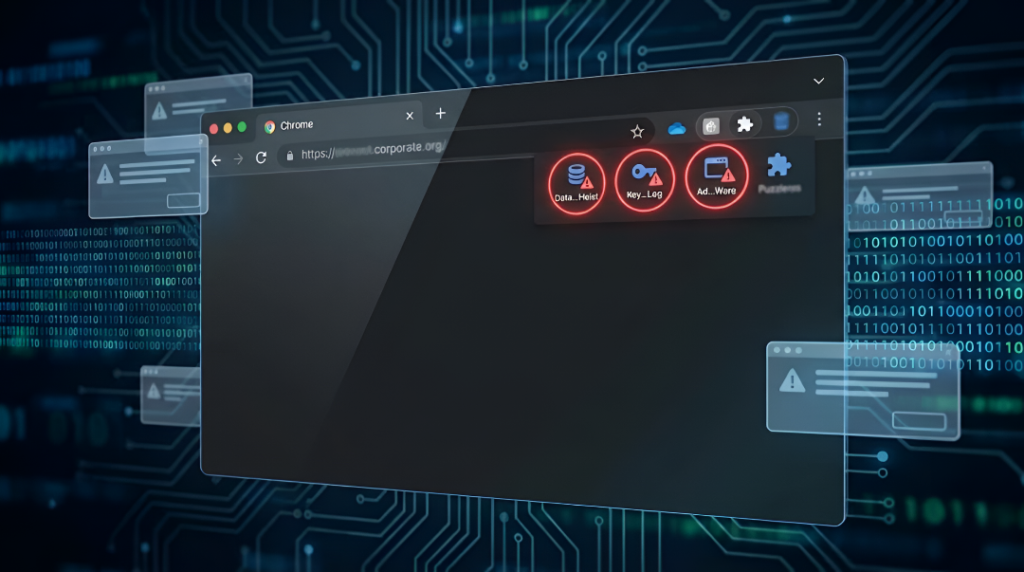
    The following five Chrome extensions were confirmed as part of the same attack campaign:

    1. DataByCloud Access
    2. Tool Access 11
    3. DataByCloud 1
    4. DataByCloud 2
    5. Software Access

    Most of these were published under different developer names, but security researchers confirmed they shared the same internal logic and backend servers, indicating a single organized operation.

    What These Extensions Did

    Once installed, the extensions requested high-level browser permissions, especially access to cookies and scripting on Workday and NetSuite domains. After that, the attack progressed in stages:

    • Authentication session theft
      The extensions extracted login cookies from the browser and sent them to attacker-controlled servers at regular intervals.
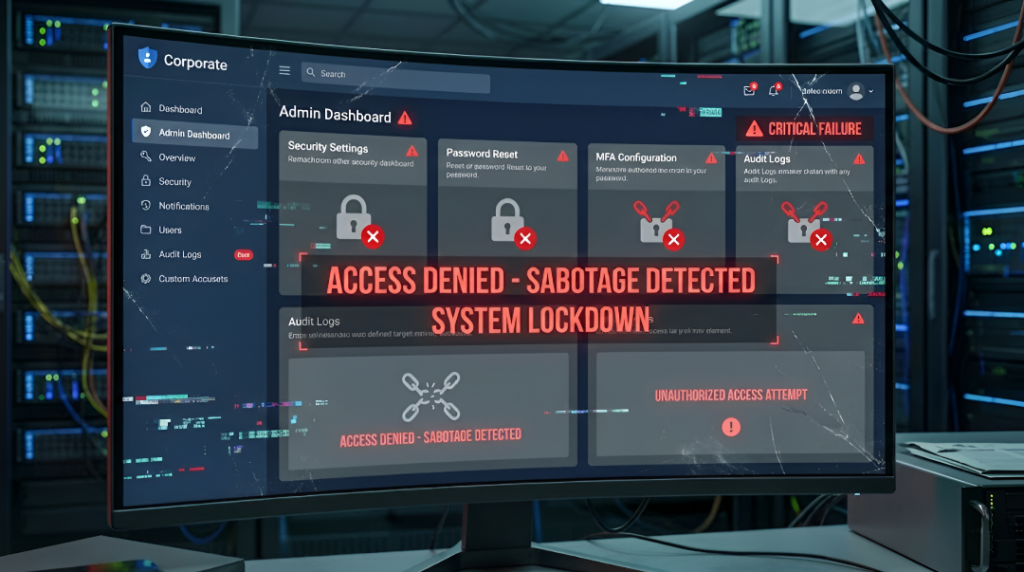
    • Blocking of security controls
      Some extensions actively altered internal Workday pages, making important admin and security sections unusable. This included pages related to:
    • Session hijacking
      One extension, Software Access, went a step further by injecting stolen cookies into another browser, allowing attackers to log in as the victim without needing credentials or MFA.

    Why This Attack Stands Out

    This was not a generic malware campaign. It was specifically built for enterprise abuse. By targeting HR and ERP platforms, attackers could gain access to:

    • Employee and payroll data
    • Internal workflows
    • Administrative controls
    • Sensitive company records

    Some of the extensions were first published as early as 2021, showing how long such threats can remain unnoticed when disguised as productivity tools.

    Current Status
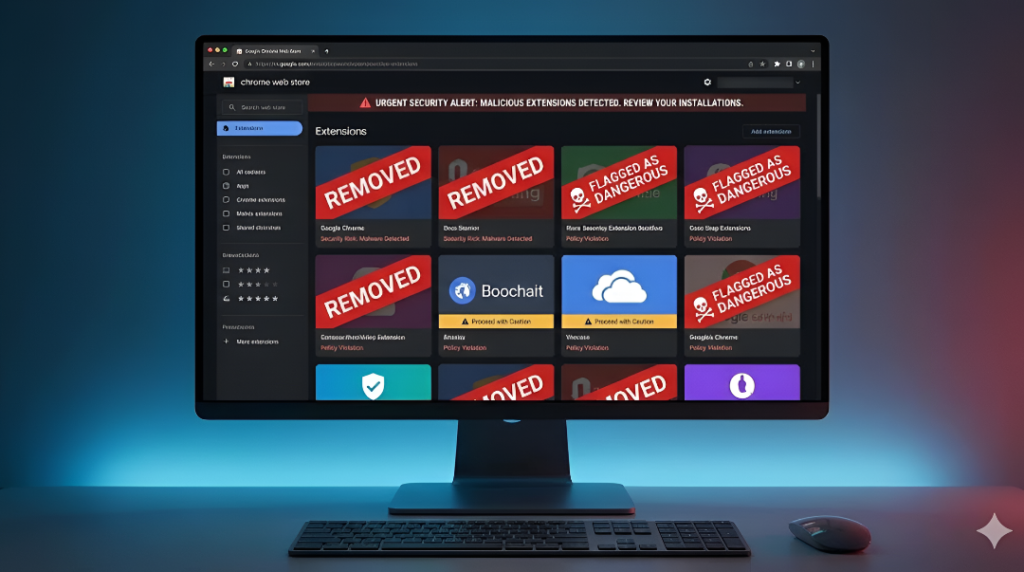
    Most of the malicious extensions have been removed from the Chrome Web Store, but copies are still being distributed through third-party software websites. Researchers believe similar extensions may reappear under new names.

    Share. Facebook Twitter LinkedIn Email Telegram

    latest news

    Goodwin University Data Breach Exposes Student Records

    May 15, 2026

    QR Code Phishing Attacks : How Quishing Scams Are Targeting Mobile Users

    May 15, 2026

    Gujarat Fake Trading App Cyber Fraud Case: ₹49 Lakh Investment Scam Exposes Rising Digital Fraud Threats

    May 14, 2026

    Australian Financial Firm Cybersecurity Failure 2026: FIIG Securities Fined $2.5 Million After Major Data Breach

    May 13, 2026

    Foxconn Ransomware Attack: 8TB Data Theft Claims Raise Major Supply Chain Security Concerns

    May 13, 2026

    Google AI-Generated Zero-Day Exploit 2026: Cybersecurity Enters a New Era of AI-Powered Attacks

    May 12, 2026

    South Staffordshire Water Data Breach Fine 2026: ICO Issues Nearly £1 Million Penalty After Cybersecurity Failures

    May 11, 2026

    OWASP Mobile Top 10-2024: Critical Mobile App Security Risks Every Security Professional Should Know

    May 10, 2026

    LockBit 5.0 Ransomware Attack on VP Brands International: Cybersecurity Threat Analysis and Business Impact

    May 10, 2026

    Vidar Malware Campaign: Fake Software Downloads Used to Steal Corporate Credentials

    May 9, 2026
    Recent Posts
    • Goodwin University Data Breach Exposes Student Records
    • QR Code Phishing Attacks : How Quishing Scams Are Targeting Mobile Users
    • Gujarat Fake Trading App Cyber Fraud Case: ₹49 Lakh Investment Scam Exposes Rising Digital Fraud Threats
    Top Posts

    Goodwin University Data Breach Exposes Student Records

    May 15, 2026

    Unauthorized Access Incident at Coupang Exposes Customer Data

    December 29, 2025

    Significant Data Breach at Korean Air Subcontractor Exposes Employee Records

    December 29, 2025
    About

    CyberNexora Blog provides trusted cybersecurity news, attack analysis, and security awareness updates. Our goal is to educate and inform readers about emerging cyber threats and best protection practices.

    Facebook X (Twitter) Instagram Pinterest LinkedIn
    Pages
    • Home
    • Cyber Incidents
    • laws & government
    • Penalties
    • Learn & Protect
    • Resources
    • Contact Us

    Get Cyber Security Alerts

    Thanks! Please check your email to confirm subscription.

    • About CyberNexora News
    • Privacy Policy
    © 2026 CyberNexora News. All Rights Reserved.

    Type above and press Enter to search. Press Esc to cancel.