
Introduction: OpenAI Cursor Model Supply — Why It Matters
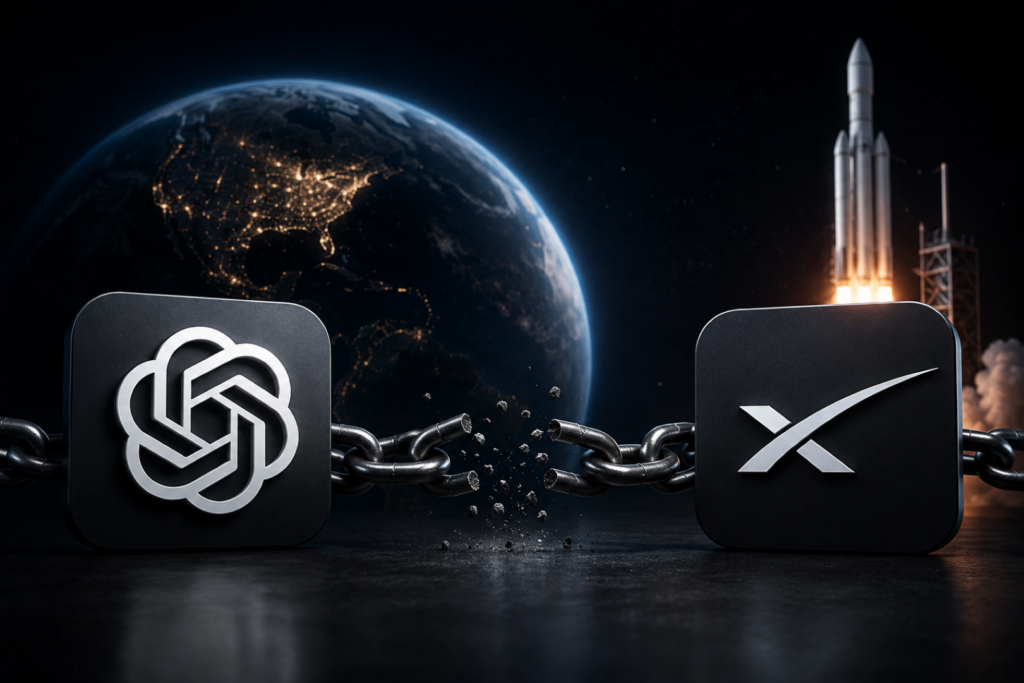
OpenAI Cursor Model Supply is heading toward a major transition after OpenAI notified SpaceX that it intends to wind down its contract supplying AI models to Cursor. OpenAI Cursor Model Supply has proposed November 12, 2026, as the cutoff date, giving developers time to prepare for the change.
The decision follows SpaceX’s acquisition of Cursor parent company Anysphere. OpenAI said the move is based on contractual and compliance concerns rather than an allegation that Cursor itself violated OpenAI’s rules.
For developers and enterprises using OpenAI models through Cursor, the development creates a need to review model dependencies, security controls, data handling and alternative AI coding options before the proposed deadline.
What Is Cursor?
Cursor is an AI-powered coding editor designed to help software developers write, understand, modify and debug code with AI assistance. The platform supports models from multiple providers, allowing users to select different AI systems depending on their development requirements.
That multi-model approach means Cursor can continue operating even if OpenAI’s direct model supply ends. Reports indicate the platform can use models from providers including Anthropic, Google and SpaceXAI.
What Caused the OpenAI-Cursor Model Change?
The immediate trigger behind the OpenAI Cursor Model Supply change was the change in ownership of Cursor’s parent company. SpaceX acquired Anysphere, bringing Cursor under Elon Musk’s corporate ecosystem.
OpenAI said its custom agreement with Cursor contains a change-of-control provision that gives it a limited period to cancel the contract following an ownership change. The company said it chose the latest date permitted under the agreement while ending the OpenAI Cursor Model Supply of future models.
OpenAI also pointed to previous contractual disputes involving Musk-owned companies. It cited issues involving Twitter and said Musk acknowledged under oath that xAI had violated OpenAI’s terms of service.
Importantly, this does not mean Cursor has been accused of conducting a cyberattack or breaching OpenAI’s terms.
OpenAI Cursor Model Supply: Timeline and Technical Impact
Timeline of Events
- SpaceX acquires Cursor’s parent company: The ownership change activates the contractual considerations surrounding OpenAI’s model supply.
- August 28, 2026: OpenAI publicly announces its intention to wind down the Cursor agreement.
- November 12, 2026: Proposed date for the end of direct OpenAI model access through Cursor.
- Future models: OpenAI said it will not provide future models, including its upcoming Astra model, to Cursor under the existing arrangement.
What Systems Are Affected?
The change primarily affects access to OpenAI models through Cursor rather than the Cursor editor itself.
Potentially affected areas include:
- OpenAI-powered coding and agent features inside Cursor
- Existing development workflows dependent on OpenAI models
- Enterprise policies built around OpenAI model usage through Cursor
- Logging, monitoring and data-governance processes tied to the integration
- Future OpenAI model availability through the platform
OpenAI’s own guidance says developers may continue using OpenAI models in Cursor through alternatives such as bringing their own OpenAI API key or using compatible gateway services.
Potential Risks & Business Impact
Developer Workflow Risk
Teams that rely heavily on OpenAI Cursor Model Supply may need to test alternative models or modify their coding workflows. Changes to model behavior can affect prompts, agentic coding processes, automated reviews and development productivity.
Business and Security Risk
For enterprises, the transition is also a vendor-risk issue. Organizations should determine where AI-generated code, prompts and proprietary information are processed and whether their existing logging and data-protection controls remain appropriate.
The concern is particularly relevant as AI coding agents gain more capability to interact with development environments and perform complex tasks.
Compliance Risk
Organizations using AI coding tools should review contractual requirements, data-processing arrangements and internal AI governance policies before switching models or providers.
For additional cybersecurity and regulatory coverage, organizations can review CyberNexora’s cyber incidents coverage and laws and government updates.
Official Response
OpenAI said the OpenAI Cursor Model Supply decision was made because it could not be confident that SpaceX would use its technology within its terms of service. The company also emphasized that it has worked with Cursor for nearly four years and said it intends to support developers during the transition.
The proposed November 12 date is not necessarily the final date. OpenAI’s Help Center says the transition period is proposed and that the companies will confirm the official termination date.
Industry Context: Why AI Model Supply Is Becoming Strategic
The OpenAI Cursor Model Supply dispute highlights a broader issue in AI software: developers increasingly depend on third-party models embedded inside their preferred tools.
That creates a new layer of technology supply-chain risk. A change in ownership, contract terms, pricing, model availability or provider policy can potentially alter an application’s capabilities without the application itself shutting down.
The situation also shows why organizations should avoid treating AI coding platforms as isolated developer utilities. They can become part of an enterprise’s software supply chain, data environment and security architecture.
Readers can also follow CyberNexora’s learn and protect resources for practical cybersecurity guidance.
How to Protect Your Organization
Organizations using Cursor with OpenAI models should take these steps:
- Inventory AI dependencies: Identify which teams, projects and workflows depend on OpenAI models through Cursor.
- Test alternative models: Evaluate available Anthropic, Google, SpaceXAI or other supported models before the transition.
- Review data handling: Confirm what source code, prompts and sensitive information are processed by each provider.
- Check API options: Assess whether direct OpenAI API access or an approved gateway can preserve critical workflows.
- Update security policies: Review AI usage rules, access controls, logging and monitoring requirements.
- Validate generated code: Continue using code review, testing, dependency scanning and security analysis for AI-generated changes.
- Prepare a fallback: Document an alternative coding workflow before the proposed November deadline.
- Review vendor contracts: Check how ownership changes and model-provider changes affect enterprise agreements.
Key Takeaways
- OpenAI plans to wind down the OpenAI Cursor Model Supply contract with Cursor.
- November 12, 2026 is the proposed cutoff date for direct access through Cursor.
- The decision followed SpaceX’s acquisition of Cursor’s parent company.
- OpenAI cited contractual and compliance concerns involving Musk-owned companies.
- Developers can explore alternative models or direct API-based access to reduce disruption.
Conclusion: OpenAI Cursor Model Supply and What Happens Next
The OpenAI Cursor Model Supply transition is primarily a contractual and platform-supply issue, but it carries important implications for developers and enterprise security teams. Cursor is expected to remain available, while affected users may need to change models, configure direct API access or adjust their development workflows.
Organizations should use the remaining transition period to identify dependencies, test alternatives and review AI security controls. CyberNexora readers can also monitor cybersecurity resources and practical guides as the situation develops.
Frequently Asked Questions(FAQs)
OpenAI plans to wind down its contract supplying models to Cursor following SpaceX’s acquisition of Cursor’s parent company. The proposed cutoff date is November 12, 2026.
OpenAI said it cannot be confident that SpaceX will use its technology within its contractual terms. The company cited its previous experiences with Musk-owned companies.
No. Cursor is a multi-model coding platform and can continue operating with other AI model providers.
Yes, OpenAI’s current guidance lists options including using a personal OpenAI API key, the Codex IDE extension or a compatible AI gateway.
November 12, 2026, is the proposed transition date. OpenAI says the final termination date will be confirmed between the companies.
Enterprises should identify OpenAI dependencies, test alternative models, review data handling and update AI governance and security policies before the transition.