Close Menu
    What's Hot

    Goodwin University Data Breach Exposes Student Records

    May 15, 2026

    QR Code Phishing Attacks : How Quishing Scams Are Targeting Mobile Users

    May 15, 2026

    Gujarat Fake Trading App Cyber Fraud Case: ₹49 Lakh Investment Scam Exposes Rising Digital Fraud Threats

    May 14, 2026

    Australian Financial Firm Cybersecurity Failure 2026: FIIG Securities Fined $2.5 Million After Major Data Breach

    May 13, 2026

    Foxconn Ransomware Attack: 8TB Data Theft Claims Raise Major Supply Chain Security Concerns

    May 13, 2026
    Facebook X (Twitter) Instagram
    Friday, May 15
    CyberNexora News
    X (Twitter) Instagram LinkedIn
    • Home
    • Cyber Incidents
    • laws & government
    • Penalties
    • Learn & Protect
    • Resources
    • Contact Us
    Get Cyber Alerts
    CyberNexora News
    Home»Cyber Incidents»PLUGGYAPE Malware Attack: How Messaging Apps Were Used to Spy on Ukrainian Defense Forces

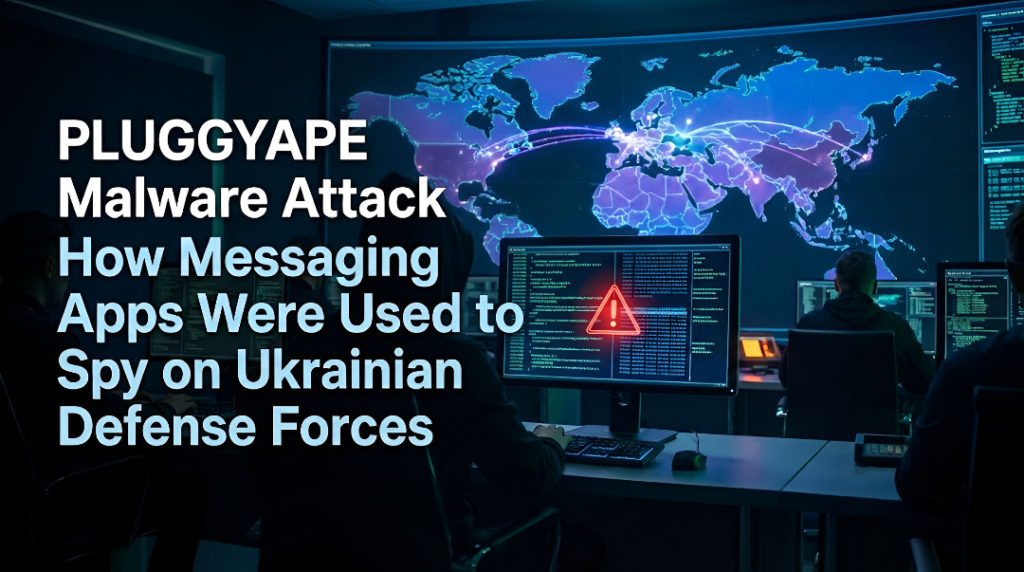
    PLUGGYAPE Malware Attack: How Messaging Apps Were Used to Spy on Ukrainian Defense Forces

    PLUGGYAPE Malware Campaign Targets Ukraine Defense Personnel Through Messaging Apps
    Zeel_CyberexpertBy Zeel_CyberexpertJanuary 14, 2026Updated:March 4, 20263 Mins Read
    Facebook Twitter LinkedIn Email Telegram

    In late 2025, cybersecurity teams in Ukraine uncovered a highly targeted cyber-espionage campaign aimed at personnel connected to the country’s defense sector. The operation relied on a previously unseen malware strain known as PLUGGYAPE and marked a shift in how attackers deliver malicious software — by abusing trusted messaging platforms rather than traditional email.

    The campaign ran quietly for several weeks before being detected, and it was specifically designed to blend into normal daily communication patterns, making it extremely difficult for victims to identify the attack.

    How the Attack Worked
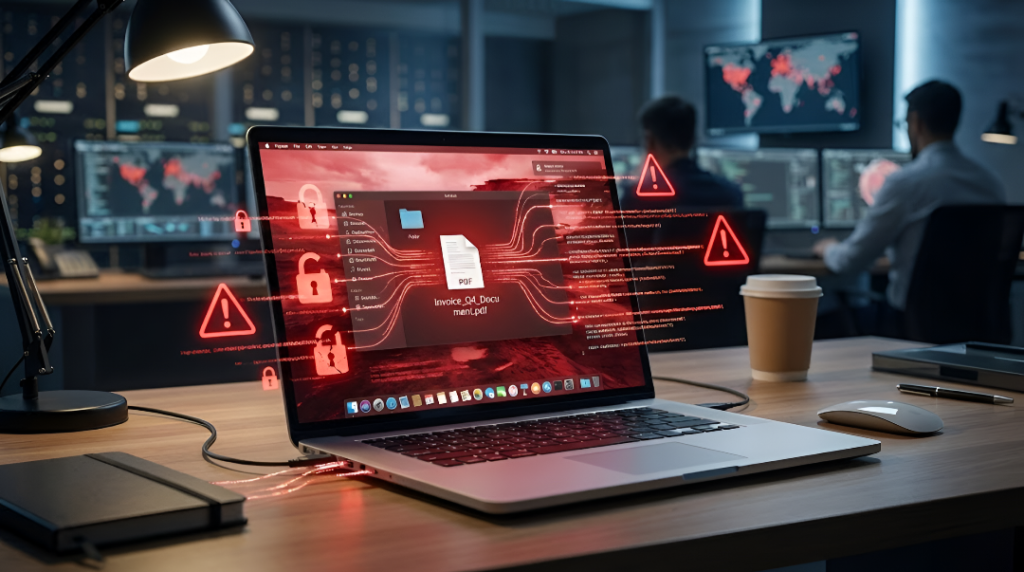
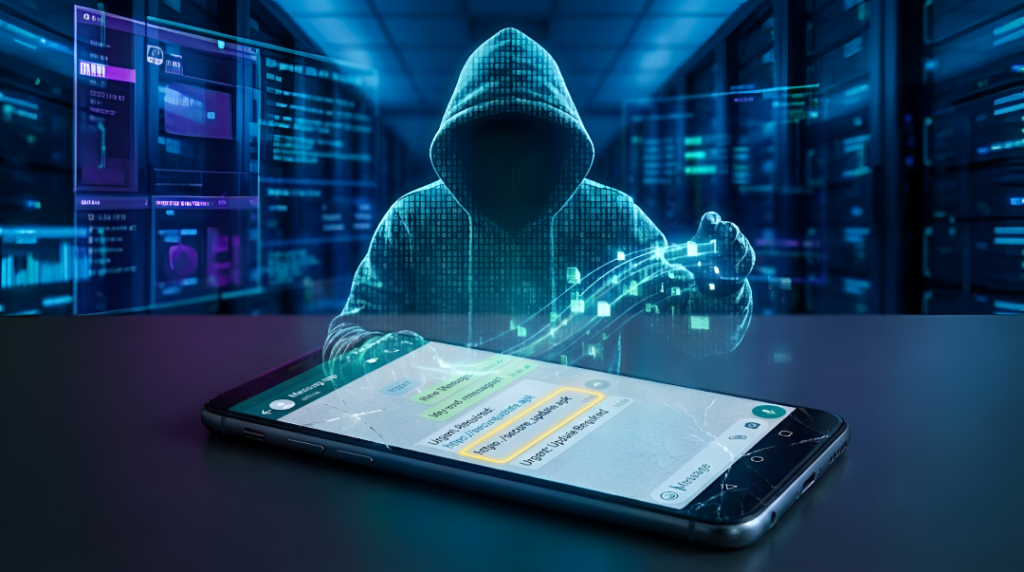
    Instead of using obvious phishing emails, the attackers reached out to their targets through commonly used messaging apps. The messages appeared legitimate and often referenced humanitarian activity, internal documents, or cooperation requests — themes that would not raise suspicion among defense-related staff.

    The messages contained links to external files hosted on fake but convincing websites. These files were presented as documents, reports, or resources but were actually malicious packages. Once opened, the malware installed itself silently and created a hidden connection to servers controlled by the attackers.

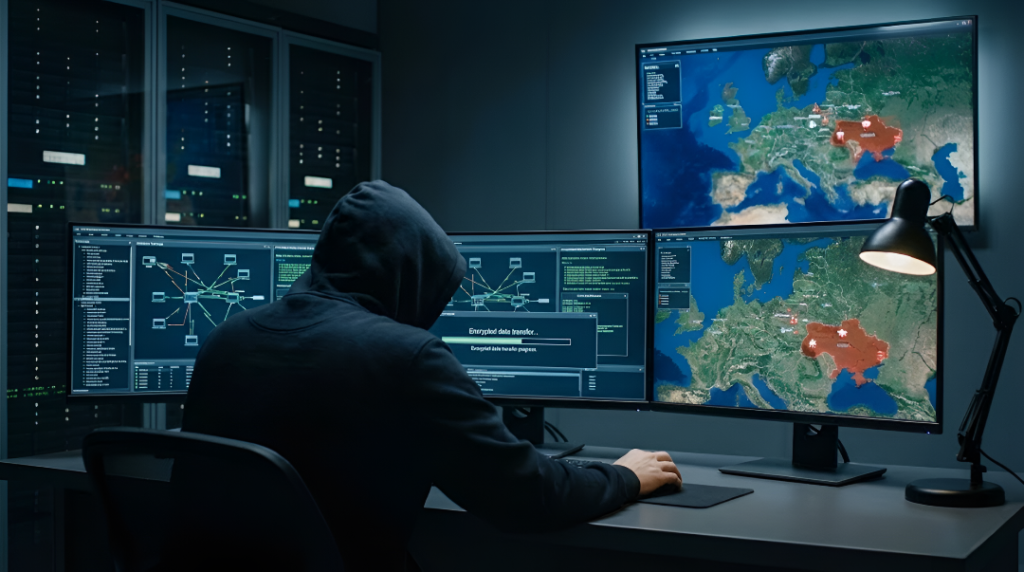
    From that point onward, the infected system could be monitored remotely. The attackers gained the ability to collect data, observe user activity, and potentially extract sensitive information without alerting the victim.

    What Makes PLUGGYAPE Different
    PLUGGYAPE was not a mass-spreading virus. It was built specifically for targeted surveillance and intelligence gathering.

    It was designed to:

    • Avoid detection by standard antivirus tools
    • Operate quietly in the background without noticeable performance impact
    • Communicate with its control servers using techniques that resemble normal internet traffic

    This combination allowed it to stay hidden for long periods while continuing to send information back to its operators.

    Why This Incident Is Important
    This attack highlights a growing change in cyber-threat tactics:

    Attackers are no longer relying only on email or obvious malicious links. They are now exploiting platforms that users naturally trust — such as encrypted messaging apps — to bypass human suspicion rather than technical defenses.

    It also shows that modern cyber warfare is not always about disruption or destruction. In many cases, the goal is silent observation: watching, learning, and collecting intelligence over time.

    For defense organizations and sensitive industries, this means traditional security controls are no longer enough. User behavior, communication habits, and social engineering awareness are now just as important as firewalls and antivirus software.

    Key Takeaway

    The PLUGGYAPE incident demonstrates that the most dangerous attacks today do not look dangerous at all. They appear as normal messages, normal files, and normal conversations — until it is too late.

    Organizations that deal with sensitive information must treat every unsolicited file or link with caution, even when it arrives through a familiar platform or from a seemingly legitimate source.

    Share. Facebook Twitter LinkedIn Email Telegram

    latest news

    Goodwin University Data Breach Exposes Student Records

    May 15, 2026

    QR Code Phishing Attacks : How Quishing Scams Are Targeting Mobile Users

    May 15, 2026

    Gujarat Fake Trading App Cyber Fraud Case: ₹49 Lakh Investment Scam Exposes Rising Digital Fraud Threats

    May 14, 2026

    Australian Financial Firm Cybersecurity Failure 2026: FIIG Securities Fined $2.5 Million After Major Data Breach

    May 13, 2026

    Foxconn Ransomware Attack: 8TB Data Theft Claims Raise Major Supply Chain Security Concerns

    May 13, 2026

    Google AI-Generated Zero-Day Exploit 2026: Cybersecurity Enters a New Era of AI-Powered Attacks

    May 12, 2026

    South Staffordshire Water Data Breach Fine 2026: ICO Issues Nearly £1 Million Penalty After Cybersecurity Failures

    May 11, 2026

    OWASP Mobile Top 10-2024: Critical Mobile App Security Risks Every Security Professional Should Know

    May 10, 2026

    LockBit 5.0 Ransomware Attack on VP Brands International: Cybersecurity Threat Analysis and Business Impact

    May 10, 2026

    Vidar Malware Campaign: Fake Software Downloads Used to Steal Corporate Credentials

    May 9, 2026
    Recent Posts
    • Goodwin University Data Breach Exposes Student Records
    • QR Code Phishing Attacks : How Quishing Scams Are Targeting Mobile Users
    • Gujarat Fake Trading App Cyber Fraud Case: ₹49 Lakh Investment Scam Exposes Rising Digital Fraud Threats
    Top Posts

    Goodwin University Data Breach Exposes Student Records

    May 15, 2026

    Unauthorized Access Incident at Coupang Exposes Customer Data

    December 29, 2025

    Significant Data Breach at Korean Air Subcontractor Exposes Employee Records

    December 29, 2025
    About

    CyberNexora Blog provides trusted cybersecurity news, attack analysis, and security awareness updates. Our goal is to educate and inform readers about emerging cyber threats and best protection practices.

    Facebook X (Twitter) Instagram Pinterest LinkedIn
    Pages
    • Home
    • Cyber Incidents
    • laws & government
    • Penalties
    • Learn & Protect
    • Resources
    • Contact Us

    Get Cyber Security Alerts

    Thanks! Please check your email to confirm subscription.

    • About CyberNexora News
    • Privacy Policy
    © 2026 CyberNexora News. All Rights Reserved.

    Type above and press Enter to search. Press Esc to cancel.