
Introduction: Gujarat Fake Trading App Cyber Fraud Raises Major Security Concerns
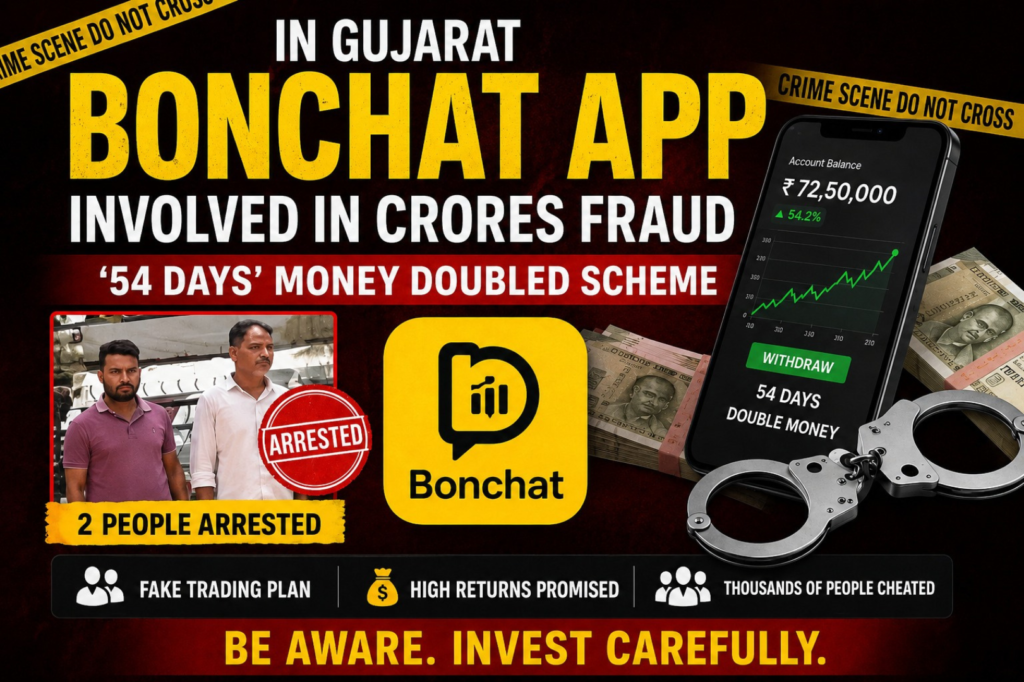
The recent Gujarat Fake Trading App Cyber Fraud case has once again highlighted the rapidly growing threat of organized cyber-enabled financial crimes in India. Authorities arrested two individuals from Gujarat in connection with a sophisticated investment fraud operation that allegedly cheated a victim of nearly ₹49 lakh through a fake online trading platform.
This incident reflects the increasing use of fraudulent mobile applications, manipulated investment dashboards, and social engineering tactics by cybercriminal networks targeting individuals seeking high investment returns. The case demonstrates how modern cyber fraud groups are exploiting digital trust, fake profit projections, and psychological manipulation to conduct large-scale financial scams.
As cybercriminals continue evolving their techniques, the Fake Trading App Scam trend is becoming one of the most dangerous forms of financial cybercrime currently impacting Indian internet users.
What Happened in the Gujarat Fake Trading App Cyber Fraud Case?
According to investigators, the victim was reportedly approached through online communication channels and gradually convinced to invest money using a fraudulent digital trading application. The scammers promised high profits and displayed manipulated earnings data to gain the victim’s confidence.
Initially, smaller investment amounts appeared profitable inside the fake platform dashboard. This common psychological manipulation strategy encouraged the victim to continue investing larger amounts over time. Eventually, the victim transferred nearly ₹49 lakh before realizing the entire platform was fraudulent.
Police investigations later traced financial transactions and digital evidence leading to the arrest of two Gujarat-based suspects allegedly connected to the operation.
The Cyber Fraud Investment Scam highlights how cybercriminals are increasingly operating with organized structures that resemble legitimate financial services.
Understanding the Fake Trading App Scam Model
The Fake Trading App Scam model is designed to imitate legitimate stock market or cryptocurrency investment platforms. These fraudulent applications often appear professional and include features such as:
- Real-time fake profit dashboards
- Simulated trading activity
- Customer support chat systems
- Fake account managers
- Fraudulent withdrawal interfaces
- Manipulated portfolio growth reports
Cybercriminals exploit trust by creating interfaces that closely resemble real financial trading applications. Victims believe their investments are growing while the displayed profits are entirely fabricated.
In many Online Trading Fraud India cases, victims only discover the fraud when they attempt to withdraw their funds and encounter delays, account restrictions, or complete communication shutdowns.
Technical Analysis: How Cybercriminals Operate Fake Trading Platforms
The Gujarat Fake Trading App Cyber Fraud case reflects several common cybercrime methodologies currently being used across India.
1. Social Engineering and Trust Building
Fraudsters usually initiate communication through:
- WhatsApp messages
- Telegram investment groups
- Social media advertisements
- Dating platforms
- Business networking channels
Attackers often impersonate financial advisors, investment consultants, or successful traders.
The primary objective is to establish credibility before introducing victims to the fraudulent platform.
2. Fake Application Infrastructure
The Fake Trading App Scam infrastructure may include:
- Clone mobile applications
- Fraudulent websites
- Cloud-hosted dashboards
- Temporary payment gateways
- Anonymous communication systems
Many fake platforms use professionally designed interfaces to avoid suspicion and create the appearance of legitimacy.
3. Manipulated Profit Visualization
One of the most dangerous aspects of a Cyber Fraud Investment Scam is psychological manipulation through fake profits.
Victims often see:
- Artificial market gains
- Increased account balances
- Fake trading success rates
- Bonus investment rewards
These tactics encourage larger financial transfers over time.
4. Money Laundering Networks
Cybercriminals commonly route stolen money through:
- Mule bank accounts
- Cryptocurrency wallets
- Layered financial transactions
- Shell payment systems
This makes fund recovery significantly more difficult for law enforcement agencies.
The Online Trading Fraud India ecosystem increasingly involves organized digital laundering operations designed to hide transaction trails.
Why Fake Trading App Cyber Fraud Cases Are Increasing in India
The rapid increase in digital finance adoption has created new opportunities for cybercriminals.
Several factors contribute to the rise of the Gujarat Fake Trading App Cyber Fraud trend:
Growing Retail Investment Interest
Millions of new users are entering online trading and investment platforms without adequate cybersecurity awareness.
High Return Promises
Fraudsters exploit emotional triggers by advertising unrealistic profits and guaranteed returns.
Lack of Verification
Many victims fail to verify whether investment platforms are officially registered or regulated.
Cross-Platform Cybercrime Operations
Modern scammers operate across multiple channels simultaneously, making detection harder.
The rise of Cyber Fraud Investment Scam operations demonstrates how cybercrime is evolving alongside financial technology adoption.
Digital Arrest Cyber Crime Connection
Investigators have also observed overlaps between fake investment scams and broader Digital Arrest Cyber Crime tactics.
In some incidents, cybercriminals:
- Impersonate law enforcement officers
- Claim accounts are under investigation
- Use fear-based psychological pressure
- Force victims into financial transfers
Although the Gujarat case mainly involved investment fraud, experts warn that cybercriminal networks increasingly combine multiple fraud methodologies within larger organized operations.
The growth of Digital Arrest Cyber Crime cases indicates how cybercriminals are refining social engineering techniques to maximize financial theft.
Financial and Cybersecurity Risks
The Gujarat Fake Trading App Cyber Fraud case highlights serious cybersecurity and financial risks for individuals and organizations.
Financial Risks
- Direct monetary loss
- Identity theft exposure
- Banking credential compromise
- Unauthorized account access
Cybersecurity Risks
- Malware delivery through fake apps
- Data harvesting attacks
- Credential theft campaigns
- Device compromise
Emotional and Psychological Risks
Victims of Cyber Fraud Investment Scam operations often experience:
- Emotional stress
- Financial anxiety
- Loss of trust in digital systems
- Long-term financial instability
Indicators of a Fake Trading App Scam
Users should remain alert to warning signs commonly associated with Online Trading Fraud India operations.
Common Red Flags
- Guaranteed profit claims
- Pressure to invest quickly
- Unverified trading platforms
- Withdrawal restrictions
- Unknown financial advisors
- Communication only through messaging apps
- Requests for repeated deposits
- Suspicious application permissions
Recognizing these indicators early can help reduce exposure to Fake Trading App Scam activities.
Cybersecurity Recommendations for Users
To stay protected from Gujarat Fake Trading App Cyber Fraud incidents, users should adopt strong cybersecurity practices.
Verify Platform Legitimacy
Always confirm whether a trading platform is registered with official financial regulators.
Avoid Unrealistic Investment Promises
No legitimate investment guarantees fixed high returns without risk.
Use Official Applications Only
Download apps exclusively from trusted official app stores and verified company websites.
Enable Banking Security Controls
Use:
- Multi-factor authentication
- Transaction alerts
- Secure banking passwords
Report Suspicious Activity Immediately
Victims should contact:
- Local cybercrime authorities
- Banking institutions
- National cybercrime reporting portals
Quick reporting improves the chances of investigation and financial recovery.
Strategic Cybersecurity Implications
The Gujarat Fake Trading App Cyber Fraud case reflects broader cybersecurity challenges emerging within India’s digital economy.
Key Industry Concerns
- Increasing financial cybercrime sophistication
- Organized cyber fraud networks
- Abuse of digital investment platforms
- Growing social engineering attacks
- Expansion of mobile-based cyber fraud
Cybersecurity experts believe the future of financial security will depend heavily on user awareness, platform verification, and proactive fraud detection systems.
The rise of Digital Arrest Cyber Band Cyber Fraud Investment Scam cases shows how attackers are combining psychological manipulation with advanced digital infrastructure.
Conclusion
The Gujarat Fake Trading App Cyber Fraud incident serves as a major warning about the evolving nature of financial cybercrime in India. Fraudsters are increasingly using fake investment platforms, manipulated trading dashboards, and social engineering tactics to exploit public trust and steal massive amounts of money.
As Fake Trading App Scam operations continue expanding, both individuals and organizations must strengthen cybersecurity awareness and adopt safer digital financial practices. The growing frequency of Online Trading Fraud India incidents demonstrates that cybercriminals are becoming more organized, technically sophisticated, and psychologically manipulative.
Preventing future Cyber Fraud Investment Scam attacks will require stronger public awareness, faster cybercrime investigations, improved financial security controls, and continuous cybersecurity education across all digital platforms.